
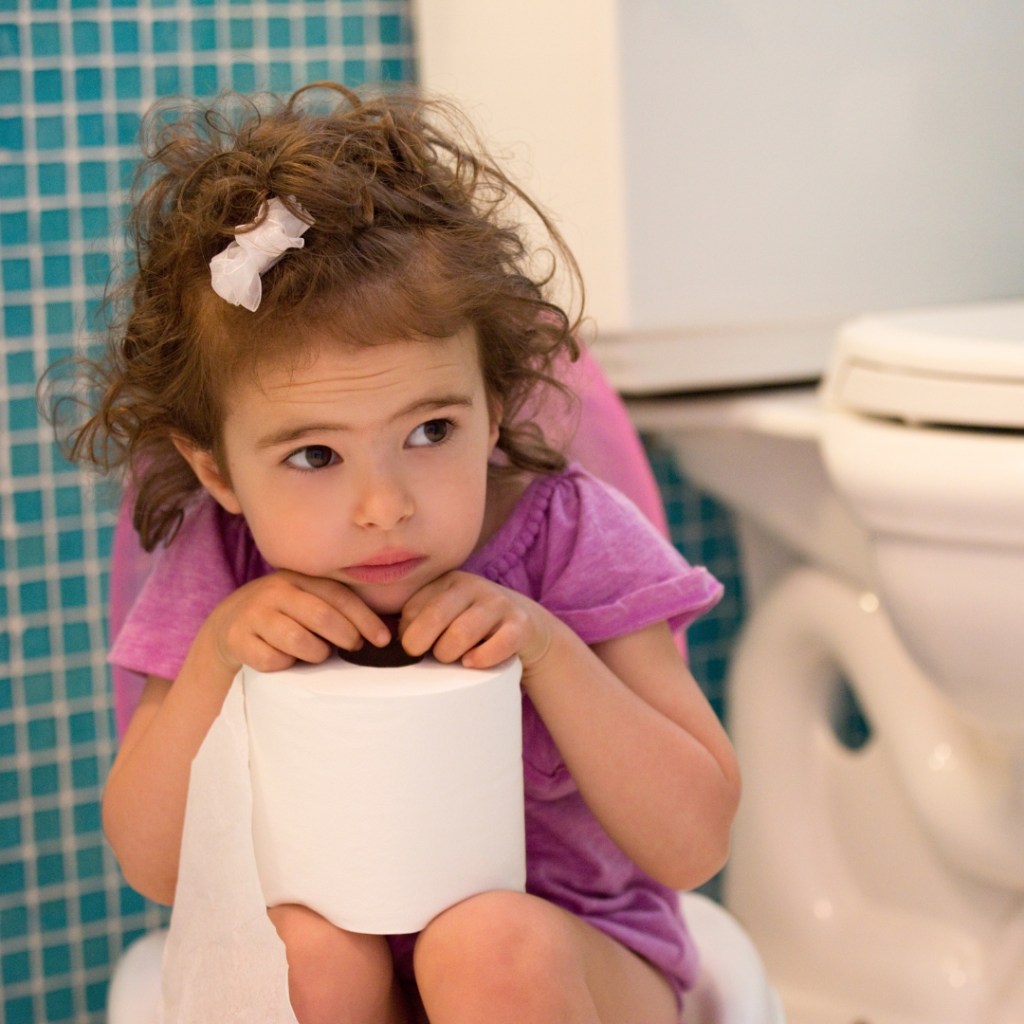
This month I had the honor of writing an article for St. Louis Mom about pediatric pelvic health physical therapy. Today, I’m featuring an excerpt of the article, along with useful tips for spotting pelvic floor problems in your child. Enjoy!
“How long have you been dealing with the severe constipation and the skid marks in your underwear?”
The boy before me looked up with a mixture of exasperation and defeat.
“My entire life,” he said.
He was 18 years old.
This young man had been coming to the children’s hospital throughout his life for procedures that provided temporary relief. But soon the cycle would start again, and he would be back to stained underwear, stomach pain, and the sting of shame. Luckily, thanks to pediatric pelvic floor physical therapy, conditions like his do not have to become lifelong problems.
Signs of Pediatric Pelvic Floor Dysfunction
It can be tricky to figure out if your child is struggling with pelvic floor problems, especially once they are potty trained. Many children do not talk about their issues because they don’t even realize that they have a problem. Others may be afraid to talk to adults about what they are going through due to fear or shame. Here are some things to look for that may indicate they are struggling with leaks, constipation, fear of toileting, or other pelvic floor problems.
- Streaks of stool in their underwear, even though you taught them how to wipe properly.
- Frequent underwear changes throughout the day (you’ll likely see this as an increase in the number of undies in your laundry).
- Avoiding using the bathroom, either all the time or in less comfortable environments. For instance, refusing to use the toilet at school or in a public place like a library or grocery store.
- Using “avoidance maneuvers” to delay going to the bathroom as long as possible. Examples of these maneuvers are crossing their legs, standing on their tip toes or squatting down on their feet, doing the “potty dance,” and distracting themselves with play to the point of having an accident.
- Complaints of pain in their low abdomen, pelvis, or genitals.
- Large bowel movements that clog the toilet.
- Changes in mood or behavior, particularly around events that would cause them to need to use the bathroom somewhere unfamiliar or that might make them feel embarrassed if they are among peers. This might look like getting upset or nervous about long drives, not wanting to go to sleep overs, or avoiding other group activities with friends.
This is not a comprehensive list, and not all pelvic floor problems can be spotted by looking for these signs. The most effective way to discover if your child is struggling with their pelvic health is to establish an open line of communication about it from an early age. I recommend talking to your child regularly about how often they are having bowel movements, whether they wake up dry in the morning, what color their urine is (colors other than light yellow or clear can indicate a problem), and how their body feels. Try to talk about these topics in a calm and neutral way, using correct anatomical terms, to remove the taboo and stigma around these conversations. That way, your child will feel safe, comfortable, and shame-free when they talk to you. Ideally, this will make them more likely to come to you if they are worried they have a problem, rather than hiding it.
What to do if you think your child has a pelvic floor problem
If you do suspect that your child is dealing with pelvic health distress, the first resource to turn to is your pediatrician. It is important to begin addressing the problem early, rather than waiting for them to “grow out of it.” The truth is, too often, childhood pelvic health problems follow people into adulthood. The effects of some of these conditions can be devastating on your child’s development, mental health, and self-image, not to mention the stress on the entire family. Don’t wait; talk to you pediatrician the moment you think there is an issue.
Next, ask your pediatrician for a referral to pelvic health physical therapy. Pediatric pelvic floor therapists are well-equipped to help you solve many childhood pelvic floor issues, including constipation, bedwetting, delayed potty training, encopresis, and pelvic pain. Plus, PT is a conservative, non-invasive, and affordable treatment. It makes sense to start here rather than with expensive and potentially traumatic medical tests and procedures. Pediatric pelvic floor PT uses games and exercises to increase children’s pelvic floor awareness and control. It is not too different from adult therapy—just a lot more fun!

Many of the families I’ve worked with have tried numerous other procedures, medications, diets, and modalities in a desperate attempt to help their children. Often, they feel defeated and believe that what they are dealing with is “just the way it is.” This couldn’t be further from the truth. My hope is that by raising awareness about pediatric pelvic floor disorders and how PT can help, more children will get the support they need to overcome their conditions and go on to live happy, fulfilling adult lives.
Rhea Physical Therapy provides at-home pelvic health care to women and children in the St. Louis, MO area and beyond. Rhea PT is owned and operated by Dr. Savannah Carlson, PT, DPT, RYT. Dr. Carlson is a pelvic health specialist who is dedicated to helping her clients overcome pelvic floor dysfunction so they can reach their full potential at home, work, and play. She earned her doctor of physical therapy degree at Washington University in St. Louis. The information provided on But First, Pelvic Health is for educational purposes only and should not be used as personalized medical advice.
 But first, Pelvic Health.